Crush your 2026 fantasy football auction draft with 5 easy steps!
What’s up guys and gals and non-binary pals! I‘ve been mocking hard to make sure this is the only 2026 fantasy football auction strategy guide you need. If you are new to this site (and my whole deal), you may be asking, “why should I choose this guide over all the others?” Allow me to self-glaze a bit:
- I only do auction advice. Almost all of the other guides are written primarily by regular snake drafters who have dipped their toes into the auction pool a bit. I mock draft with all humans (this is important) at least once per day all summer.
- I tailor each year’s guide to the current draft trends and modern roster needs. I’m not repeating the same stale advice year after year. I study last year’s values and stats to formulate a different approach every season.
We good? On to the 2026 fantasy football auction strategy guide! Here are my 5 tips to help you strategize during your 2026 fantasy football auctions and feel way more in control.
2026 Fantasy football Auction Draft Guide
1. Figure out which of the three market trends your draft is following and make a plan
A lot of pundits say, “Every auction is different.” I just searched for that and found no less than 11 fantasy football auction advice articles that used that exact phrase. I also found four articles written by me where I argue that people who say, “every auction is different” are dead wrong. Well, maybe that’s a little harsh: There’s just wrong, but they can live, I’ll allow it. Metaphor time!
Imagine I flipped a coin and it came up tails. I show it to you. I then flip it again and it comes up heads. I show it to you, then ask what side came up. Would you reply, “well, every coin flip is different, so there’s no way for me to know?” No, of course not. You would just glance at the coin and say, “that’s heads, bro.” (Bro is my preferred pronoun).
The top-15 highest valued players in an auction are like a three-sided coin. Sure, the values can change drastically for these players, but if you just step back and look at them as a whole, only three things can happen:
A. These players are going for way more than projected value.
B. These players are going for a bit more than projected.
C. They are going for projected or even slightly less.
See what I mean? That’s literally every possible outcome to the start of a fantasy football auction divided into three neat categories. Moving forward I will refer to these as auction types A, B, and C.
So, once you have this info, how can you use it to be better prepared?
For types A & B, you can be 100% confident that there will be great values later. Every dollar overspent now is a dollar that can’t be spent later. Most likely, the bargains will come at WR2 and flex WR; there is a big market crash there as managers have limited funds and can’t hype themselves into getting into a bidding war over WR18 or whatever. So it’s okay to overspend a bit in the near future as long as you leave those roster slots open and wait for the crash deals to start coming in.
For type C, you are in a rarer kind of auction, I’d say 1/10 of my mocks fall into type C. In this kind of market, you want to get guys now because there won’t be many discounts later. Get players you want before they are the last player available in their tier (that always causes a price bump due to FOMO panic).
Feel more in control? Great! But you may be saying, ”bro, how can I keep track of comparing what players’ go for to their projected value AND make sure I’m getting the players I need? This is overwhelming, I feel like I am going to projectile vomit into the sun!”
Well, I have a very easy way to manage this, and it’s tip #2:
2. Don’t draft a top-15 player for more than their projected value
“Wait,” you maybe saying, while wiping your regurgitated lunch off the sun, “but you just said the top-15 only go at or below projected in ~10% of auctions. Does that mean, 90% of the time, I shouldn’t get a top-15 ranked player at all?”
Yup.
I broke down the math in this article. The gist is this: Last year, the average auction value for the top 15 players was 90% more than players 16-30, but the fantasy points bump for the first group over the second was only 16%. The return is just not worth it in a hot market.
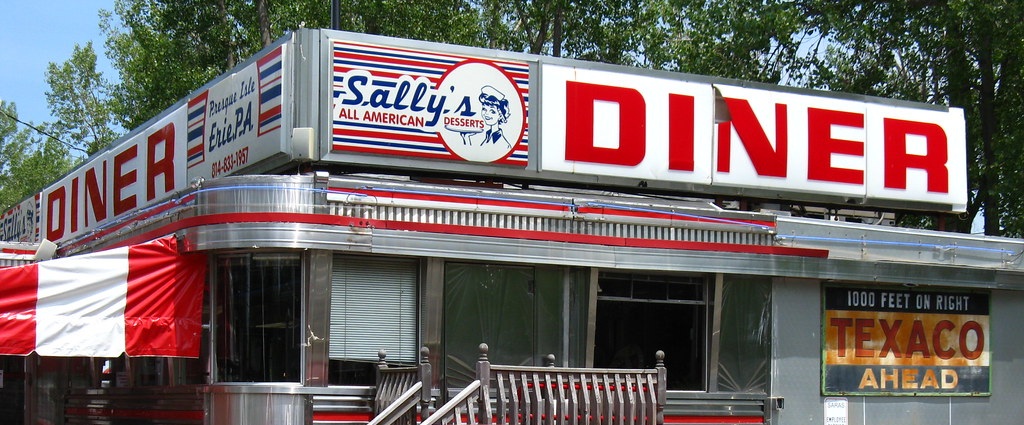
Let’s step away from numbers for a bit and talk about food. These first two tips are why I am calling this 2026 fantasy football auction guide, “Greasy Spoon Theory.” As I write this, I see a lot of parables behind this guide and a trip to a greasy spoon, which is American slang for your town’s locally-owned diner.
A. When you go in, you decide what market trend you want. The deep discounted specials, the take-a-buck-or-two-off combos, or a la cart. That’s like deciding which of the three early market trends your auction is following.
B. At a town diner, nothing is going to be Michelin-Star dining. But it’s all going to be pretty consistently good. Just like you get lots of good food instead of A+ cuisine, with this draft guide your goal is to get lots of consistently good players instead of a couple of absolute superstars.
Before moving on, I want to address something long-term followers of my strategy guides might find concerning. The most popular auction guide I ever invented is called “BBQ Strategy.” With that, I advocated always getting one or two of the top 15 players, which absolutely flies in the face of Greasy Spoon Theory. So, what gives?
What gives is that I made that article seven years ago. I wasn’t kidding when I said I greatly revise and tailor my auction strategies to the current season.
3. Don’t bid more than $5 for your QB
I break it down fully in this post. Dollars spent on WR and RB correlates with fantasy scoring WAY more than dollars spent at QB. This is because, in auction, the QB market shifts a whole lot faster than in snake drafts. What happens is that the managers who are gung ho on getting a top QB get them early and bow out of bidding on any more QBs. This leaves the remaining managers who don’t really care as long as they get a decent enough guy at that position. Those managers are way less likely to get in a bidding war that drives up the prices, so the bottom falls out of the market fast.
In 2025, 12 quarterbacks that ended up in the top 15 in fantasy football points per game went for an average auction value of $5 or fewer. In 2024, 9 of the top 15 QBs went for that price range.
So go cheap on a decent QB and use that planned savings ahead of time by upgrading your WR and RB rooms.
4. After the top 15 players are off the board, get your guys.
This is the key to the whole thing. There’s no point in doing all this pre-planning if you aren’t going to pull the trigger while the iron is hot.
Don’t worry if people are bidding the guys you want up by a few dollars past projected:
- For auction types A & B, that just accelerates the crash. You can make up for overpays now by saving a lot later.
- For type C, you’re probably paying around projected in every future stage, so why not do that for the good players instead of settling for a team of mid?
I’ve had the best results getting my starting RBs from this stage, a solid, back-end top 12 WR, and Brock Bowers if he’s going for somewhere near the mid $30s. Then I cool off a bit and take stock of how much money I have left, what roster needs I have, and whether/when the market is going to be best for me to move. In other words, for Types A & B, I sit back and wait for the huge drop in demand to cool prices. For type A I’ll even consider getting my third RB, now, counting on big discounts at the other positions. For auction C, I try to make sure I am picking one guy from each tier as best fits my budget moving forward.
5. Get a Toolbox Bench
Okay, not all these tips are new. This one has been in my guides for years.
Benched players don’t help your team win each week, so it never made sense to me to grab the top projected players. Instead, I found more success drafting my bench to fill one or more of three needs:
A. Boring players with a high floor to fill in during byes.
B. Players who are one injury away from being thrust into a way bigger workload. Handcuffs (but not for my players).
C. Players that could do great in the second half of the season. Rookies and players coming back from injuries or suspensions.
Once training camps have been underway for a while and we know a lot more about players’ roles and injury recovery, I will write a whole article recommending players I think are great for those 3 categories.
I’m almost done with this guide, but I wanted to give one more quick tip that didn’t feel like it merited its own section: Use nominations as a weapon to get as much money out of the pool early as possible. That means only nominate the top $$ players you don’t want. There are some advice-havers out there that float out the possibility of nominating a player you want early before the market is set. But that’s never a surefire thing and that player might get nominated early by another manager, anyway. So focus on the one thing you can control: Using your nominations to get a steady stream of money out of the pool and fill up other managers’ roster spots with dudes you don’t want.
There it is, my 2026 fantasy football auction strategy guide. As I write articles that supplement this guide, such as my toolbox bench recommendations, I’ll add links to the end of this post.
If you want to be alerted when Waleed Ismail and I stream mock auctions on the weekends, sub our Youtube channel and watch for alerts that Drafts on Tap is live. You can join our draft and get live advice and strategy discussion.
Finally, as always, if you want to talk auction and general ball-knowledge, come to where I live. It’s called the Football Absurdity Discord.
Happy drafting!